What is Methimazole?
Methimazole blocks the thyroid gland from making too much hormone and has been prescribed for hyperthyroid cats for many years. Commercial tablets exist, including a veterinary-approved product, but many cats are difficult to pill. Compounded transdermal gel rubbed on the inner ear, flavored liquids and chewable treats make daily dosing easier for cats and their owners.
At Pharmacy on the Park, Methimazole is compounded in our pharmacy from a prescription, in the strength and form your veterinarian orders.
What is it used for?
Methimazole may be prescribed for:
- Hyperthyroidism in cats
- Hyperthyroidism in cats before radioiodine or surgery
- Hyperthyroidism with kidney disease in cats
- Hyperthyroidism in dogs (rare, off-label)
Hyperthyroidism in cats, including transdermal gel applied to the ear. Some uses may be off-label. Your veterinarian determines the use, dose and monitoring.
Mechanism of action
Blocks the thyroid gland from making thyroid hormone.
Administration and dosing
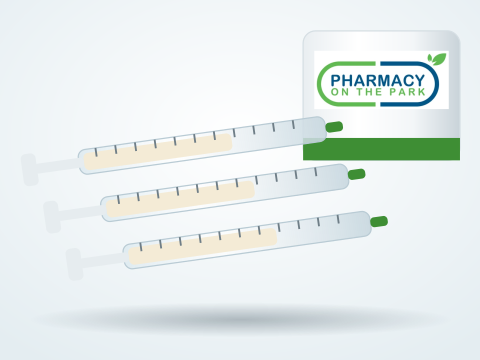
- Transdermal gel (PLO). Transdermal gel comes in pre-measured syringes. Wearing a glove, rub the measured amount into the hairless inner ear, alternating ears if directed.
- Flavored oral suspension. Flavored suspensions are shaken well and measured with the oral syringe we provide, then given by mouth.
- Chewable treat. Chewable treats are given like a snack.
- Tablet. Tablets are taken by mouth as directed on your label.
- Give it at the same times each day; transdermal gel should be rubbed in until absorbed.
- Wear gloves when handling gel or crushing treats, and wash your hands afterward.
- Watch for redness or crusting on the ear and tell your veterinarian if it develops.
- If a dose is missed, give or take it when remembered unless it is almost time for the next one; don't double up.
Dosing: the strength, amount and schedule are set by your veterinarian and printed on your label. Follow those directions and ask us if anything is unclear.
Monitoring: Your veterinarian will check thyroid levels, kidney values, blood counts and liver enzymes a few weeks after starting and after dose changes, then regularly.
Drug interactions
Methimazole can change the effects of blood thinners, theophylline, digoxin and some heart medicines such as beta blockers as thyroid levels change. Tell your veterinarian about every medicine, supplement and flea or tick product your pet gets.
Adverse effects
Common side effects:
- Vomiting
- Decreased appetite
- Facial itching
- Tiredness
Call your veterinarian right away for: severe facial itching or scratching wounds, yellow gums or eyes, unusual bruising or bleeding, fever, extreme tiredness, or vomiting and not eating for more than a day.
Call your veterinarian or us about any reaction that concerns you.
Notes for pet owners
For transdermal gel, wear gloves, apply to the hairless inner ear flap, alternate ears and gently wipe away old gel before the next dose. People who are pregnant should avoid handling methimazole, and children and other pets should not touch the cat's treated ear right after dosing.
Who should use caution?
Cats with kidney disease need close monitoring, since treating hyperthyroidism can reveal kidney problems. Share your full medical history and medication list with your veterinarian.
Storage
Store syringes as directed on the label, capped and away from heat. Check your label: many flavored liquids are refrigerated. Shake well before each dose. Keep treats sealed and follow the label; some are refrigerated. Always follow the storage directions and beyond-use date on your label, and keep medications out of reach of children and pets.
Why is it compounded?
Many cats won’t take pills. Compounding lets us make methimazole as a transdermal gel for the ear, a flavored liquid or a treat.
Methimazole is also prepared in combination with Amlodipine. See combination preparations in our library.