

Endocrine and metabolic
Methimazole
Pets
Hyperthyroidism in cats, including transdermal gel applied to the ear.
Transdermal gel (PLO)Flavored oral suspensionChewable treatTablet
Medication library / Transdermal gel (PLO)
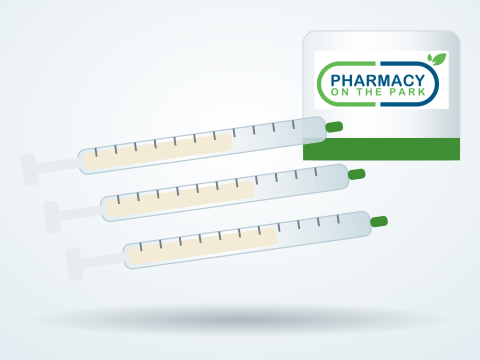
Dosage formTransdermal gels are rubbed onto the hairless inner ear, which is useful for cats and dogs who won't take pills. They come in pre-measured syringes. Wear a glove when applying and alternate ears if your veterinarian directs. Not every medication is absorbed well through the skin, so your veterinarian decides when this form is a good fit.
Hyperthyroidism in cats, including transdermal gel applied to the ear.
Inflammation, allergies and immune conditions; preferred over prednisone in cats.
Nerve pain and seizures in people; pain, anxiety before vet visits and seizures in dogs and cats; also used in topical pain creams.
Congestive heart failure and certain heart diseases in dogs, and sometimes cats.
Depression and anxiety in people; anxiety, aggression and compulsive behaviors in dogs and cats.
Constipation and megacolon in cats and slow stomach emptying in pets; available only by compounding.
High blood pressure in people and especially cats.
Thyroid hormone replacement for hypothyroidism in people and dogs.
Bacterial and tick-borne infections, acne and rosacea.
Long-standing seizure medication for dogs and cats.
Fungal and yeast infections of skin, scalp and ears.
High blood pressure and heart rhythm or heart muscle conditions in people and cats.
Steroid for skin and ear inflammation, including vet ear packs.
Fluid buildup from heart failure and other conditions.
Prevents blood clots in people and in cats with heart disease.
Bacterial infections in pets, including ear packs.
Vomiting and motion sickness in dogs and cats.
High blood pressure, heart failure and kidney protein loss, especially in cats and dogs.
Seizure control, often as an add-on medication.
Sleep and anxiety in people; calming before vet visits, travel and recovery in dogs and cats.
High blood pressure, heart failure and protein loss through the kidneys.
Nausea and vomiting.
Nerve pain, sleep and mood in people; anxiety, itch and bladder pain in pets; also in topical pain creams.
Anxiety and depression; behavior problems in pets.
Inflammation, allergies and immune conditions.
Obsessive-compulsive disorder in people; separation anxiety and compulsive behaviors in dogs and cats.
Immune-mediated disease and allergic skin disease in pets; dry eye.
Antihistamine prescribed for allergies and itching; commonly used for cats.
Depression and sleep in people; appetite stimulation and nausea control in cats and dogs, including transdermal gels.
Nausea and slow stomach emptying.
Anxiety in people; anxiety and urine marking in cats.
Bacterial infections, including specialty topical preparations.
General information about each active ingredient, not a description of any specific preparation. Compounded medications are not FDA-approved and are not commercially manufactured products and are prepared from a prescription. Uses listed may be off-label. Your prescriber or veterinarian decides whether a medication is right, the dose and the monitoring. Don't see a medication? Call us at 407-977-9779.
Tell us what you need and we'll help you get it handled, whether it's a transfer, a compound or a question for your pharmacist.